


-

Add: HeBei ShengShi HongBang Cellulose Technology CO.,LTD.
-

Email
13180486930@163.com -

CONTACT US
+86 13180486930
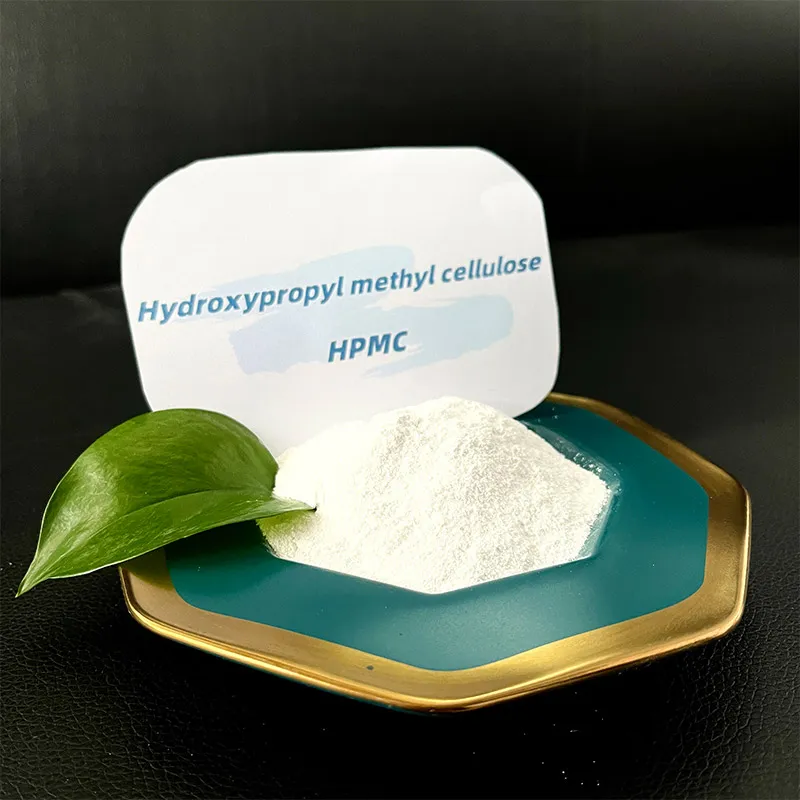


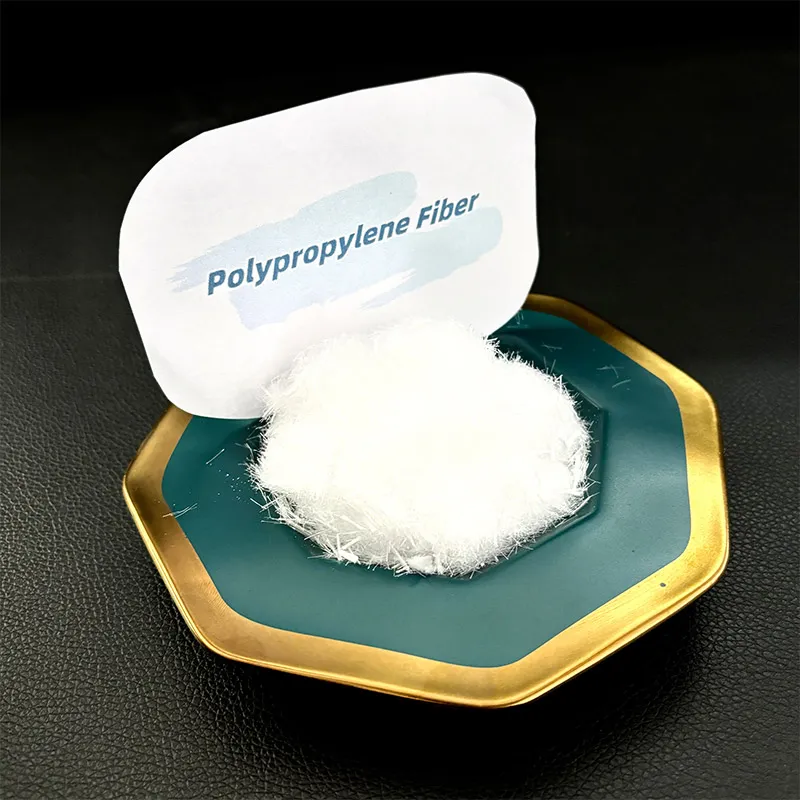


Hydroxypropyl methylcellulose (HPMC) is a versatile compound commonly used in various industries, ranging from pharmaceuticals to construction. With years of experience in the field, I have witnessed firsthand how the unique properties of HPMC make it an invaluable asset in product formulation. In the pharmaceutical industry, HPMC serves as a pivotal component due to its excellent biocompatibility and ability to form films. The compound acts as an excipient in controlled-release formulations, enhancing drug solubility and bioavailability. As someone deeply involved in drug development, I've seen HPMC improve drug stability while ensuring consistent therapeutic effects, which is crucial for patient safety and efficacy. Beyond pharmaceuticals , HPMC plays a crucial role in the food industry. Its non-toxic nature and ability to retain water make it an ideal emulsifier and thickening agent. HPMC can improve the texture and shelf life of food products, and its dietary fiber properties offer potential health benefits. My personal experiences working with HPMC in various food formulations reinforce its reliability and versatility in ensuring product quality and consumer satisfaction. In the realm of construction, HPMC offers significant benefits as a key ingredient in cement and mortar mixes. Its use enhances workability, water retention, and curing time of the products, thereby increasing durability and structural integrity. As an expert in construction materials, I have observed that the use of HPMC can significantly reduce material costs while maintaining high performance, which is a priority in the industry. hpmc is HPMC's application extends to personal care products as well. It serves as a thickening agent and stabilizer in creams, lotions, and shampoos. Given my involvement in product development within this domain, I can attest to HPMC's ability to improve product texture and stability, ensuring a pleasant user experience while maintaining efficacy. Extensive research supports HPMC's safety and effectiveness across these industries. The compound's biocompatibility and biodegradability contribute to its sustainability, aligning with the growing global emphasis on environmentally friendly materials. This authoritative evidence reassures manufacturers and consumers alike of its reliable performance. Trustworthiness in product formulation is paramount, and HPMC consistently delivers. Regulatory bodies such as the FDA and EMA acknowledge its safety for use in specified applications. This regulatory endorsement, combined with comprehensive scientific literature, underscores its credibility and instills confidence in its use. In summary, the multifaceted applications of HPMC across various industries highlight its indispensable role in modern product development. My extensive experience and expertise affirm its importance in formulating safe, effective, and high-quality products. As industries continue to evolve, HPMC's adaptability and proven performance will undoubtedly support innovation and excellence.
- 40000tons

Production
- 20+years

Experience
- 5000+㎡

Acreage

-
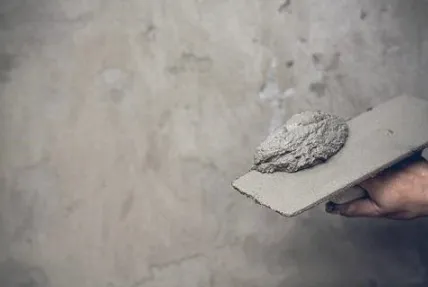
In the ever-evolving construction industry, materials that enhance performance, longevity, and efficiency are in high demand. Hydroxypropyl methylcellulose , a premium additive, has cemented its place as a key ingredient in the formulation of mortar, coatings, and wall putty. Its exceptional qualities impact everything from application ease to durability, making it indispensable for professionals who value precision and quality. Hydroxypropyl Methylcellulose: How it Affects Mortar and Coatings In construction projects, every detail matters, including the sequence in which additives like hydroxypropyl methylcellulose are introduced. The order of addition plays a crucial role in determining the consistency, workability, and performance of mortar and coatings. When hydroxypropyl methylcellulose is added directly to water before mixing with other components, it dissolves efficiently, forming a uniform solution. This step ensures that the additive can fully develop its water-retention properties, resulting in consistent viscosity and enhanced ease of application. Conversely, if added too late, its dispersion may become uneven, affecting the overall quality of the mixture. Builders who buy hydroxypropyl methylcellulose should follow precise mixing instructions to maximize its benefits. Correctly incorporating this additive into coatings improves spreadability and adhesion, ensuring a smooth application and long-lasting results. Enhancing Durability and Anti-Aging Properties with Hydroxypropyl Methylcellulose Durability is a fundamental requirement for building materials, and hydroxypropyl methylcellulose plays a pivotal role in achieving this. By enhancing water retention during the curing process, this additive prevents premature drying, reducing the risk of cracking and structural flaws. This controlled hydration significantly boosts the long-term performance of materials like mortar, coatings, and wall putty. In terms of anti-aging properties, hydroxypropyl methylcellulose acts as a shield, protecting materials from the damaging effects of environmental factors such as moisture, temperature changes, and UV radiation. Materials treated with hydroxypropyl methylcellulose exhibit improved elasticity, ensuring they can withstand daily wear and tear without losing integrity. When applied to wall putty, for example, this additive prevents shrinkage while maintaining a smooth, crack-free surface. Builders seeking enhanced durability and aesthetic appeal should consider sourcing this innovative material from a trusted hydroxypropylmethylcellulose supplier . Behavior of Hydroxypropyl Methylcellulose in Building Materials The adaptability of hydroxypropyl methylcellulose is one of its standout features, allowing it to blend seamlessly with diverse formulations. Its water-retention capabilities improve consistency, making it easier to achieve a flawless finish with minimal effort. Additionally, hydroxypropyl methylcellulose in wall putty significantly enhances bonding strength, ensuring that the applied surface remains intact and durable over time. Under wet conditions, hydroxypropyl methylcellulose provides remarkable stability. It prevents material degradation, supports long-term adhesion, and facilitates uniform drying. This makes it ideal for construction projects in humid environments or those subject to heavy rainfall. Furthermore, its compatibility with various raw materials makes it an essential choice for manufacturers looking to improve product quality across multiple applications. Trusted Hydroxypropylmethylcellulose Supplier for Reliable Performance The benefits of hydroxypropyl methylcellulose depend not only on its unique properties but also on the quality of the product itself. For construction professionals and manufacturers aiming to achieve superior results, sourcing this material from a trusted hydroxypropylmethylcellulose supplier is essential. Our company provides premium-grade hydroxypropyl methylcellulose , ensuring consistency, reliability, and unmatched performance in every batch. Whether you’re formulating advanced coatings, preparing wall putty, or developing high-performance mortar, our product delivers measurable benefits across all applications. When you buy hydroxypropyl methylcellulose from us, you’re not just purchasing an additive—you’re investing in quality and long-lasting results. With our industry expertise and commitment to excellence, we’ve become a go-to supplier for construction professionals worldwide. Hydroxypropyl Methylcellulose: Building the Foundations of Excellence As modern construction continues to push the boundaries of performance and sustainability, hydroxypropyl methylcellulose remains a cornerstone for success. From improving the workability and durability of materials to offering unmatched resistance against aging and environmental damage, its role is pivotal in achieving next-level construction results. Whether you’re a builder aiming to enhance the durability of your projects or a manufacturer striving for innovation, incorporating hydroxypropyl methylcellulose is a step toward redefining quality. Partner with a trusted hydroxypropylmethylcellulose supplier today and experience the transformative power of this remarkable additive. Choose the right product. Choose the best partner. Choose hydroxypropyl methylcellulose .
-
The Advantages of Glass Fiber Reinforced Polypropylene In recent years, the demand for advanced materials in various industries has surged, leading to the development of innovative composites. One of the most notable advancements is the creation of glass fiber reinforced polypropylene (GF-PP), which combines the resilient properties of polypropylene with the strength and durability of glass fibers. This material has established itself as a game changer in manufacturing and engineering, thanks to its numerous benefits. Composition and Properties Glass fiber reinforced polypropylene consists of a polypropylene matrix enhanced with glass fibers. Polypropylene, a thermoplastic polymer, is known for its lightweight, chemical resistance, and flexibility. When reinforced with glass fibers, it gains significant mechanical properties, including increased tensile strength, stiffness, and impact resistance. The incorporation of glass fibers minimizes the weight of the components while maximizing their strength, making GF-PP an ideal choice for applications where reducing weight is critical. Enhanced Mechanical Performance One of the primary advantages of GF-PP is its exceptional mechanical performance. The glass fibers provide rigidity and resistance to deformation, making this composite suitable for parts that need to withstand stress and strain without failing. This is especially important in industries such as automotive and aerospace, where the weight-to-strength ratio is critical. For instance, engineers can design lighter vehicles that do not compromise on safety or performance. In addition to tensile strength, GF-PP exhibits improved impact resistance. This makes it an excellent choice for products that are subjected to harsh conditions or potential impacts, such as automotive bumpers or protective housings for electronics. The enhanced impact resistance reduces the likelihood of product failure and extends the lifespan of components. Chemical and Thermal Resistance . Moreover, the thermal stability of glass fiber reinforced polypropylene is noteworthy. It can endure higher temperatures without softening, making it suitable for applications that require materials to maintain integrity under heat. This thermal resistance broadens the scope of potential applications, from electrical enclosures to automotive under-the-hood components. مادة البولي بروبيلين المقوى بالألياف الزجاجية Sustainability and Environmental Considerations As the world moves towards a more sustainable future, the use of glass fiber reinforced polypropylene offers an environmentally friendly alternative to traditional materials. Polypropylene itself is recyclable, and advancements in recycling technologies are making it easier to reclaim and reuse GF-PP. Additionally, the lightweight nature of GF-PP contributes to energy savings in transportation and manufacturing processes. In recent years, efforts have also been made to explore bio-based polypropylene, where natural resources are utilized to create the matrix. This innovation could enhance the sustainability profile of GF-PP even further, aligning with global goals to reduce carbon footprints and reliance on fossil fuels. Applications Across Industries The versatility of glass fiber reinforced polypropylene allows it to be used in a wide array of applications. In the automotive industry, GF-PP is increasingly used in dashboards, interior panels, and under-the-hood components. Its strength and lightweight characteristics contribute to overall vehicle efficiency and performance. In the consumer goods sector, GF-PP is popular for producing durable storage containers, outdoor furniture, and sports equipment. Its aesthetic appeal, combined with its robust properties, allows for the design of products that are both functional and attractive. Lastly, in construction and infrastructure, GF-PP is finding its way into elements such as pipes, fittings, and composite panels, where durability and resistance to environmental factors are paramount. Conclusion Glass fiber reinforced polypropylene represents a significant advancement in material science. Its unique combination of lightweight properties, mechanical strength, chemical resistance, and environmental benefits makes it an attractive choice for a variety of applications across multiple industries. As technology continues to evolve, we can expect further innovations and enhancements to this remarkable material, paving the way for a more efficient and sustainable future.
advantages
-

200000 Viscosities
Excellent product
We can produce pure products up to 200,000 viscosities
-

40000 tons
High yield
We don’t stop production all year round, and the annual output can reach 40,000 tons
-

24 hours
Quality service
We provide 24-hours online reception service, welcome to consult at any time
———— Inquiry Form
Schedule A services
-
 hpmc_2910_vs_2208
Oct . 25, 2025
Navigating the complex world of nbr rubber powder reveals its immense benefits and transformative pr -
 what_is_wood_cellulose
Oct . 25, 2025
Hydroxypropyl methylcellulose (HPMC) E50 is a versatile and highly valued polymer in various industr -
 presyo_ng_pp_fiber
Oct . 25, 2025
Rubber Powder Production Line Revolutionizing Material Recycling In an era where sustainability and


